Ports Toronto

Toronto’s busy harbour faced a growing challenge with floating litter and plastic pollution, threatening local ecosystems and navigation safety.

The Challenge explained

As owner and operator of Billy Bishop Toronto City Airport, the Port of Toronto, and the Outer Harbour Marina, PortsToronto is responsible for maintaining safe, navigable waterways while protecting the environment.

Plastic pollution had become an increasing concern, with floating debris, beverage bottles, food wrappers, and microplastics frequently accumulating in the harbour. Despite early success with stationary Seabins; part of their award-winning Trash Trapping Program launched in 2019, certain problem areas remained inaccessible, and larger macro litter often escaped capture.

Working with the University of Toronto Trash Team, PortsToronto needed a mobile, data-driven solution that could complement existing infrastructure, cover more surface area, capture larger debris, and support research to trace pollution sources entering Lake Ontario.


The solution

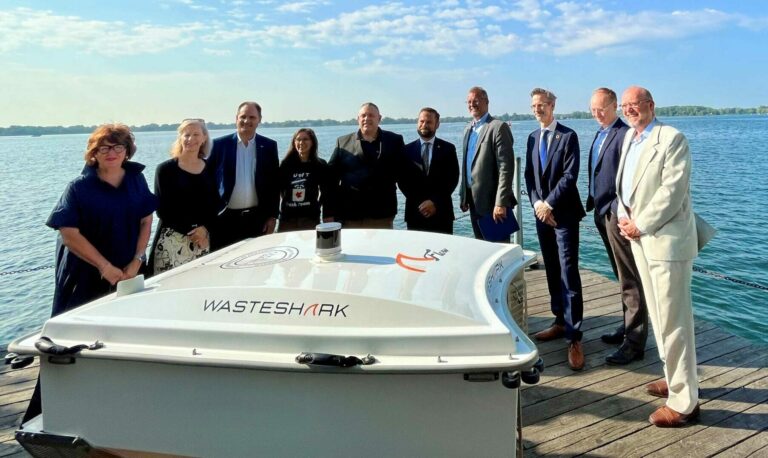
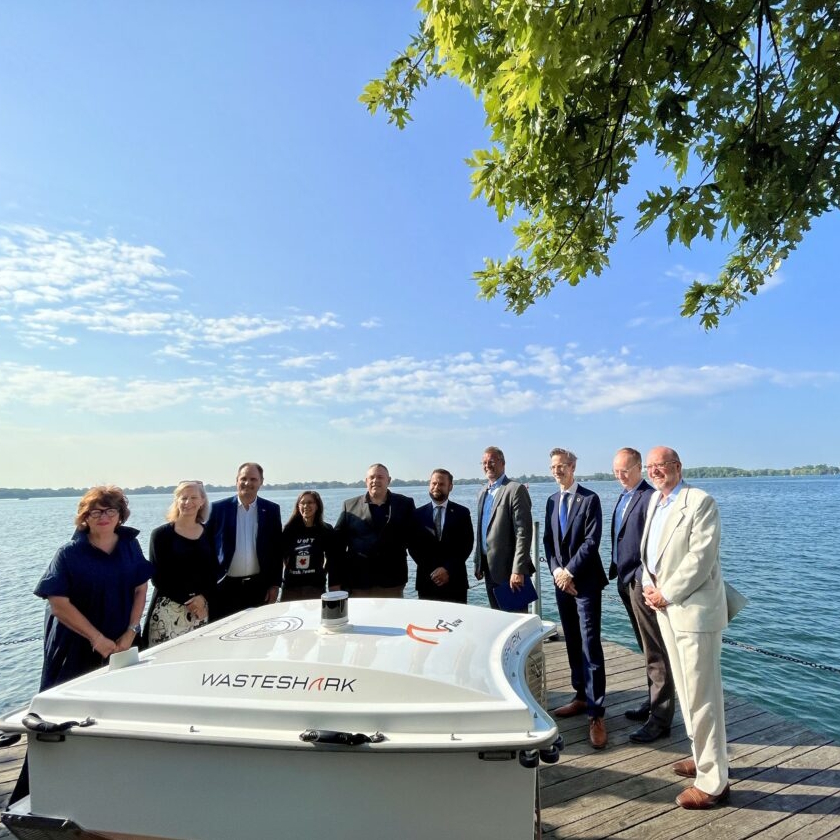
In summer 2023, PortsToronto partnered with RanMarine Technology to pilot two WasteShark aqua drones, combining debris collection with environmental research capabilities.

Based at Outer Harbour Marina, the WasteSharks patrol key problem zones across Toronto Harbour weekly throughout summer. Operating in manual mode, they skim the surface gathering litter which is analysed by the University of Toronto Trash Team to identify debris types and sources, thereby enabling policy advocacy and community engagement for source reduction.

The WasteSharks’ impact was immediate: three October 2023 expeditions collected nearly as much debris (by weight) as eight Seabins captured over an entire season. The drones efficiently targeted hard-to-reach areas and captured larger items that stationary traps missed, significantly amplifying the Trash Trapping Program’s effectiveness.

Beyond environmental gains, the WasteSharks became sustainability ambassadors, their distinctive design sparked public curiosity during harbour visits and community events, raising awareness about marine litter and PortsToronto’s environmental commitment.

The results

  • Debris collection efficiency: Three WasteShark deployments matched 8 Seabins’ full-season output by weight
  • Expanded coverage: Successfully accessed previously unreachable harbour zones
  • Enhanced capture: Significantly improved collection of macro litter, including plastic bottles and food wrappers
  • Research enablement: Provided vital debris data to University of Toronto for pollution source tracking and policy advocacy
  • Public engagement: Increased community awareness and visibility of marine litter reduction efforts
  • Operational support: Consistent, proactive technical assistance from RanMarine throughout deployment

Global Impact, Proven Results

From ports to marinas to inland waterways,
our smart fleet delivers measurable impact on water quality, daily!

Ltrs of WASTE
0 +

collected by the WasteShark fleet since 2016

km waterways
0 +

patrolled and cleaned annually across 4 continents

SHARKS
0 +

are deployed globally for managing all waterway types.

* That’s 1.65+ million gallons of waste and 31,000+ miles of waterways for our US friends!

related case studies

Harbor

Ports Toronto

Toronto’s busy harbour faced a growing challenge with floating litter and plastic pollution, threatening local ecosystems and navigation safety.

NGO

Leeds Waterfront Group

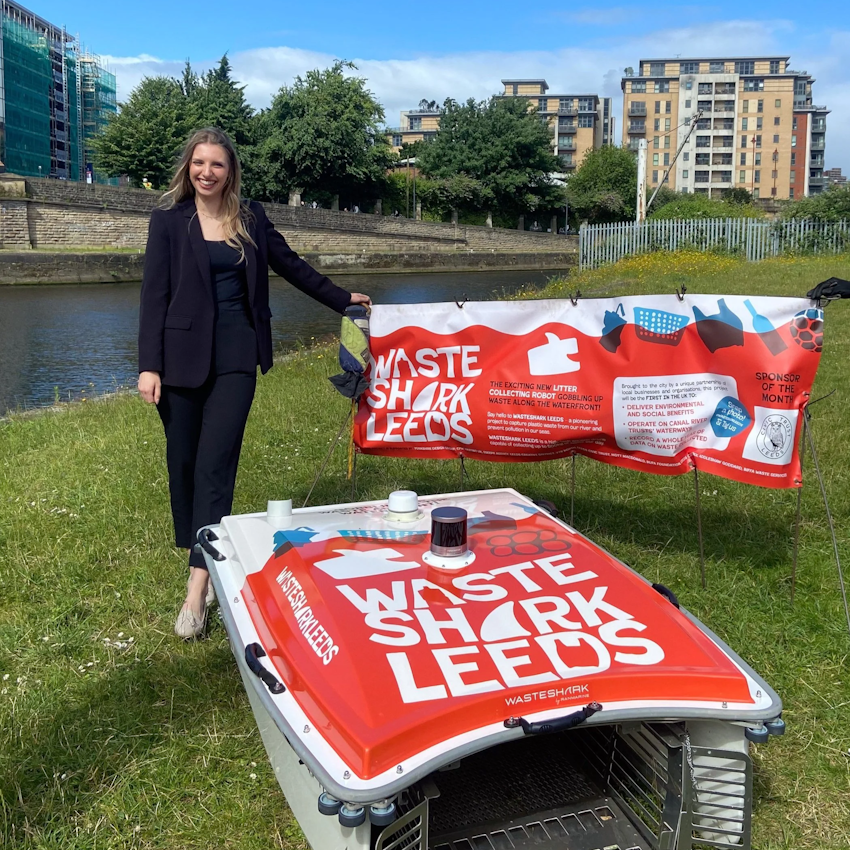
Leeds’ waterways collect tons of floating debris annually, overwhelming manual cleanup crews and threatening wildlife habitats along the River Aire, Leeds and Liverpool Canals.

Trusted By

Ready to See It in Action?

Get in touch for a live virtual demo, pricing, or to find your nearest distributor.
Our team is ready to help.

Submit a Support Ticket